
Disulfide Bond Formation in Bacterial Cell-Free Systems
Cell-free systems need multiple layers to form disulfide bonds correctly.
Liesel Brandhorst
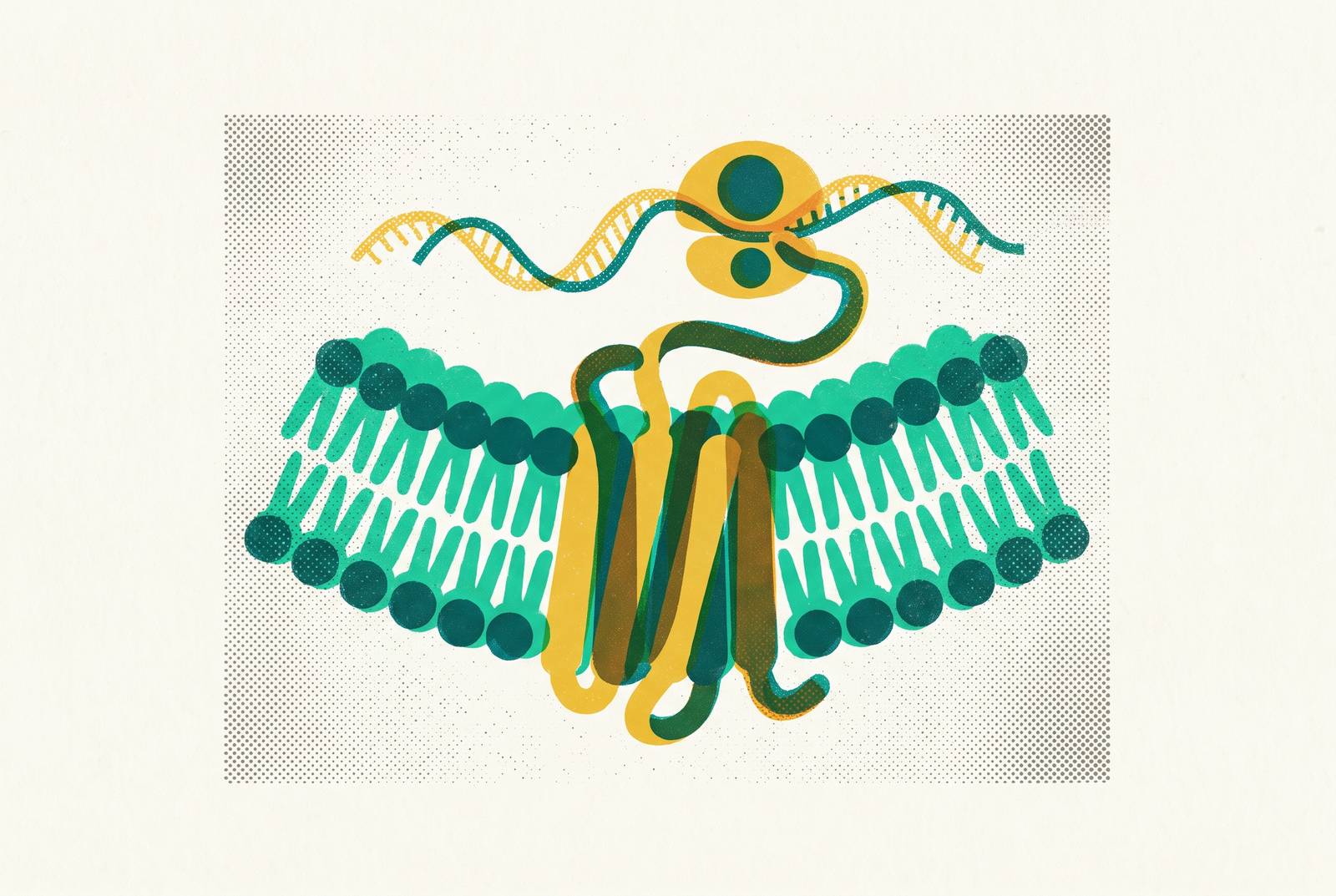
A technique that eliminates living cells finally cracks how to produce functional membrane proteins.
Cell-free systems need multiple layers to form disulfide bonds correctly.
Cell-free synthesis solves protein aggregation by removing the constraints that living cells impose.
Bacterial extracts work for most proteins; pick eukaryotic systems only when folding demands it.
Standardized reagent prep, not extract quality, controls variability across labs.
Optimize DNA templates before blaming reagents for weak cell-free protein synthesis.
A structured framework helps scientists pick the right protein expression system every time.
Free magnesium matters more than total magnesium in protein synthesis reactions.
ATP depletion and phosphate buildup sabotage cell-free protein synthesis.
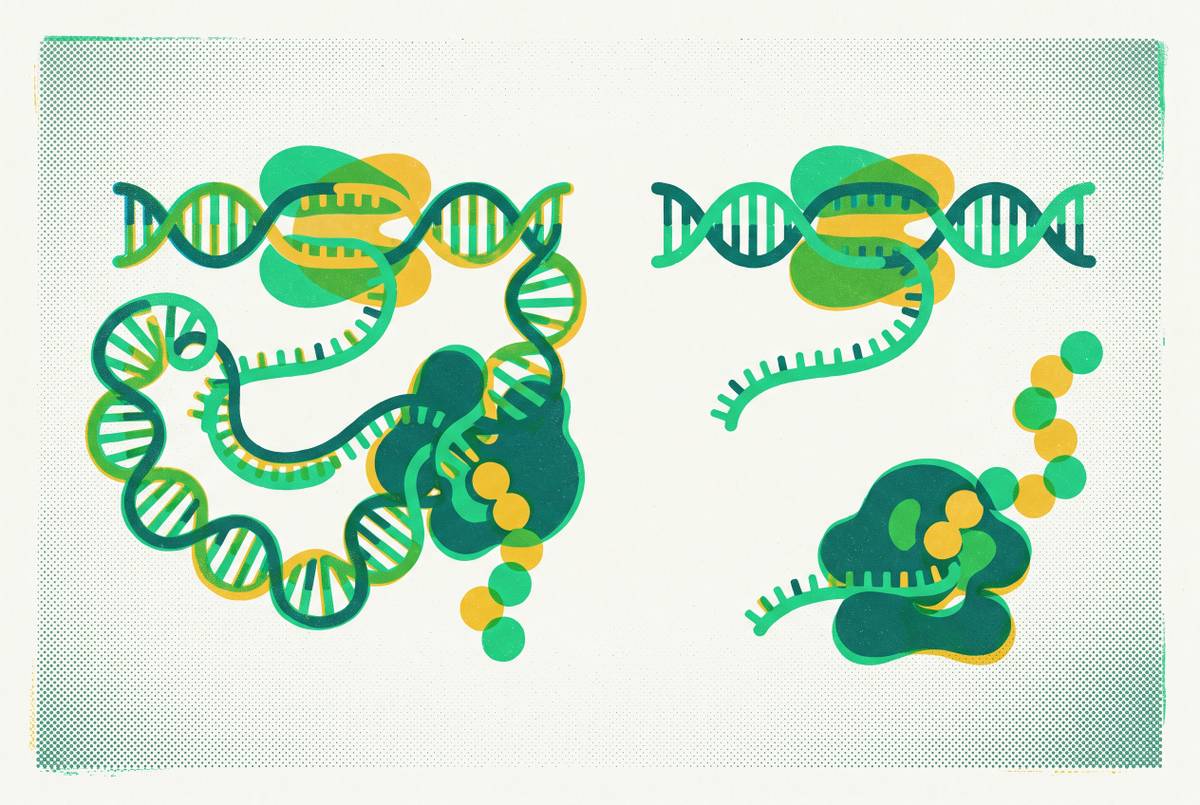
Coupling transcription and translation boosts protein yield by loading ribosomes before mRNA folds.
Each prep stage protects active machinery from the degradative enzymes riding along in the extract.
Cell-free synthesis eliminates three barriers to unnatural amino acid incorporation simultaneously.