Scaling Cell-Free Protein Synthesis to Hundreds of Reactions Without Breaking the Budget
Miniaturization and automation slash the cost of screening hundreds of protein variants.
Tomás Reyes-Fuentes
11 stories
Miniaturization and automation slash the cost of screening hundreds of protein variants.
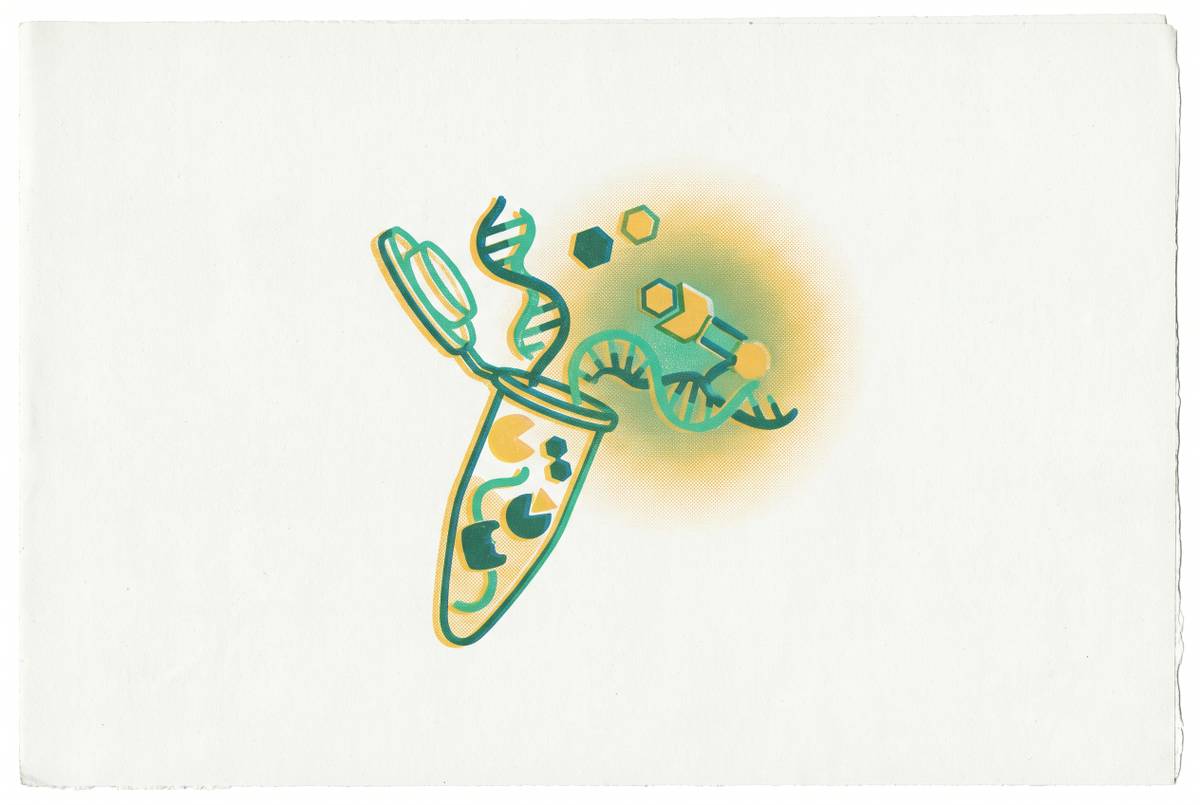
Rapid prototyping without cells lets researchers test biosensor designs in hours instead of days.
Cell-free synthesis removes the bottleneck limiting directed evolution campaigns.
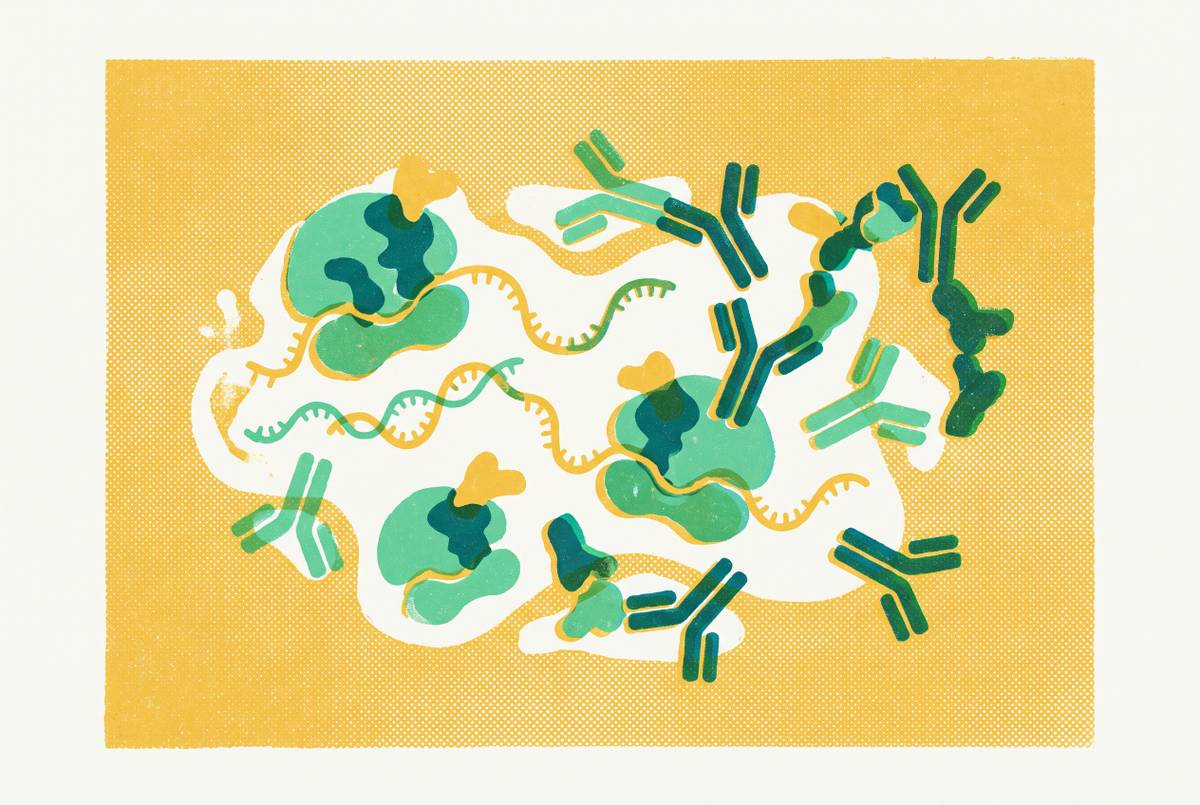
Cell-free synthesis lets antibody fragments fold correctly outside bacterial cells.
Choosing the right normalization method determines whether your CFPS data is biology or noise.
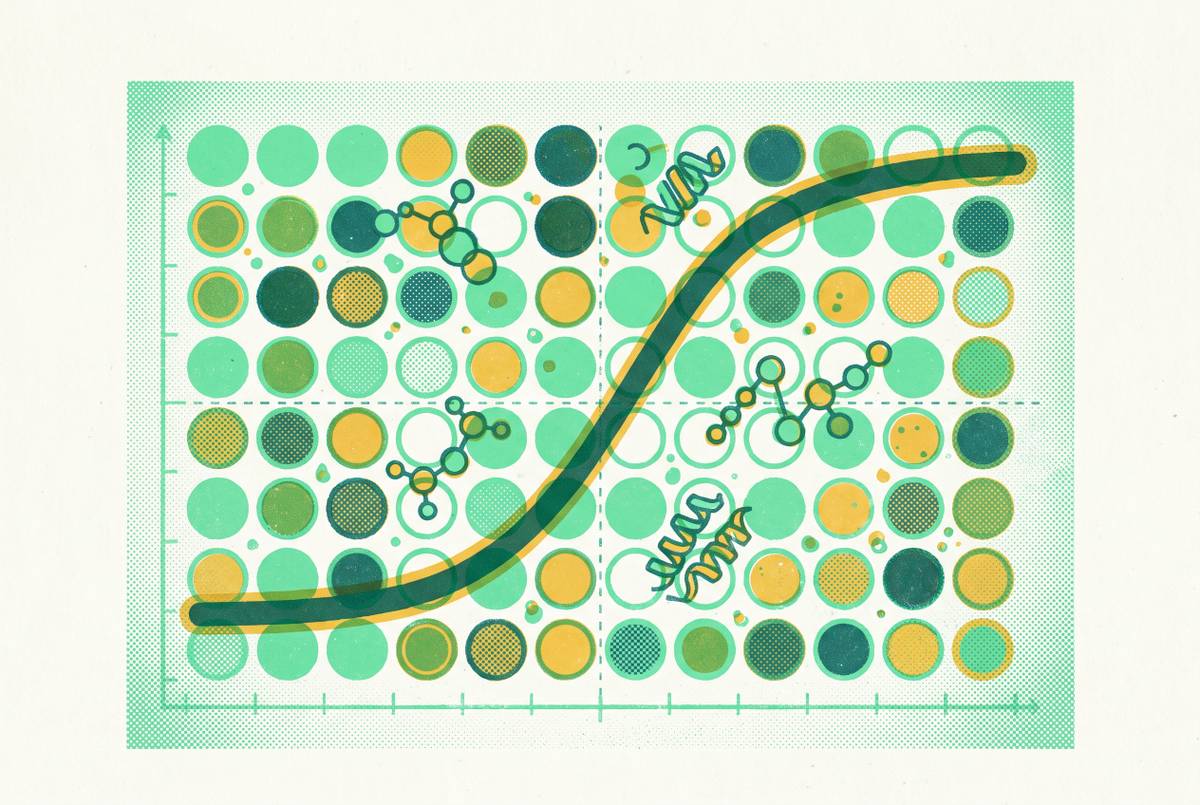
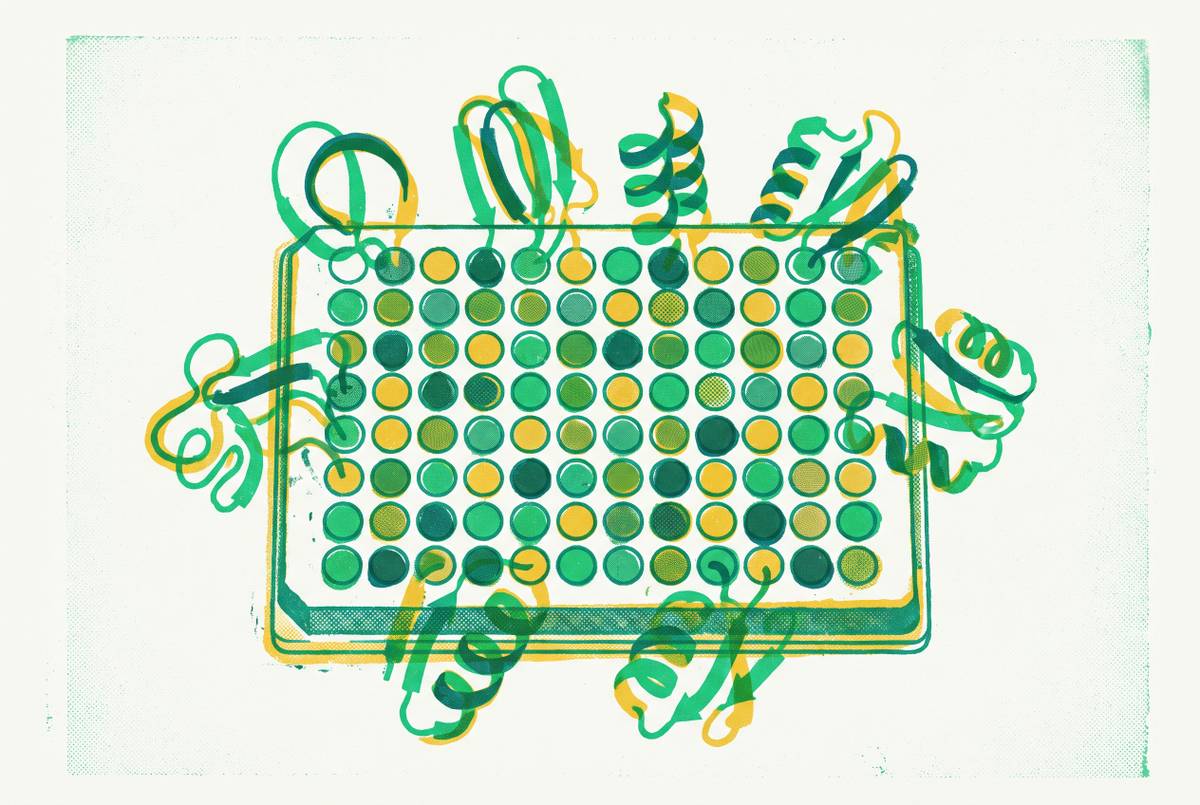
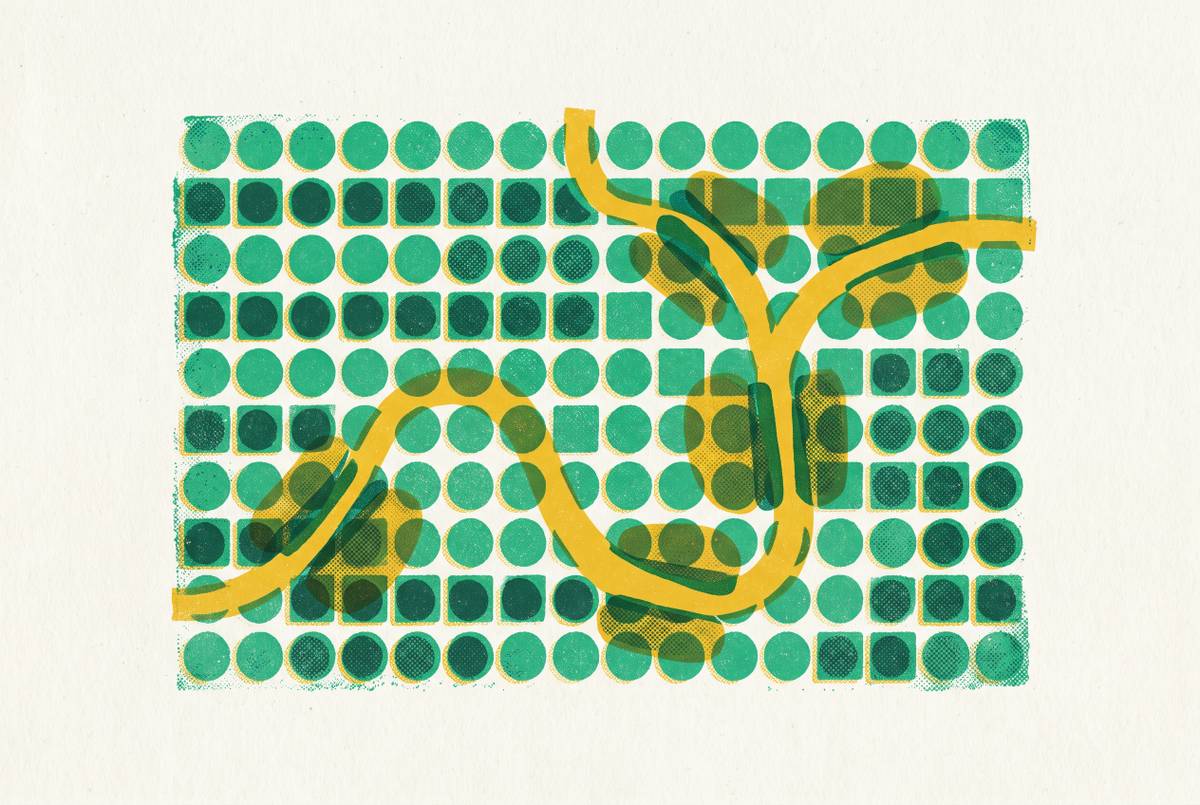
Plate-based CFPS rapidly screens hundreds of protein variants in a single run.
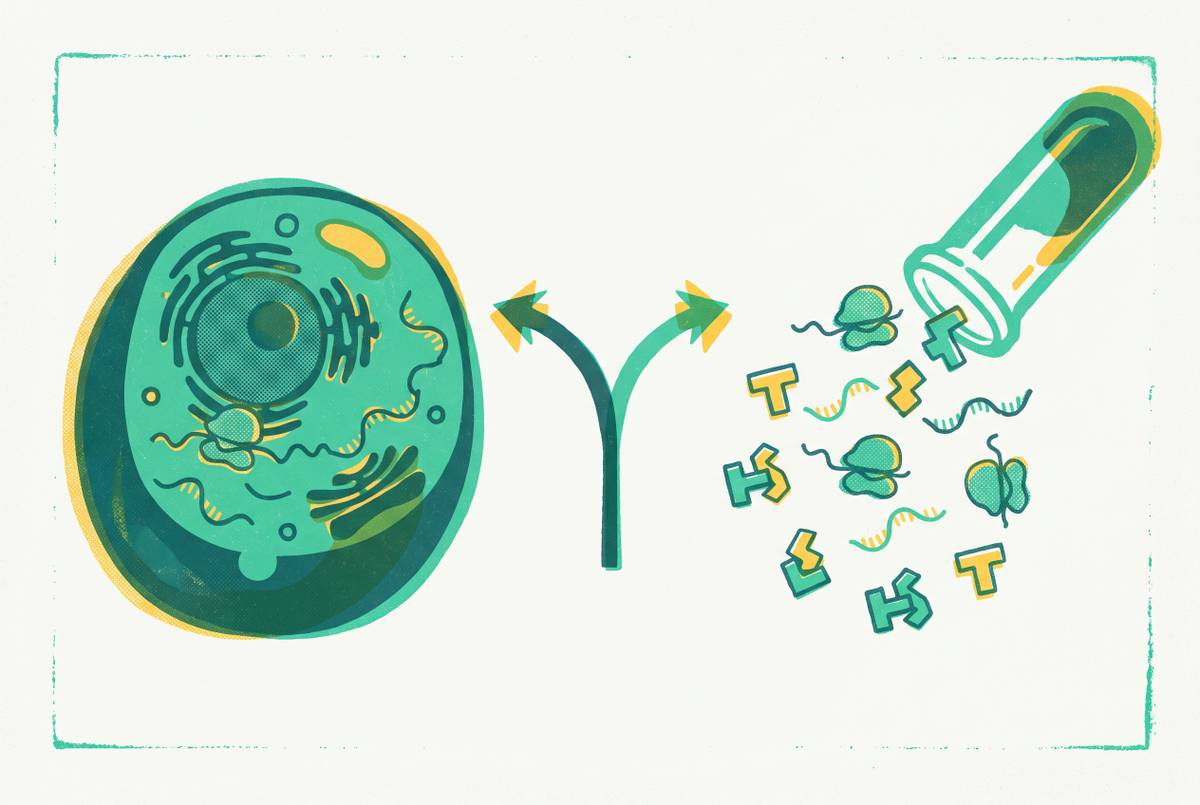
Cell-free synthesis solves protein aggregation by removing the constraints that living cells impose.
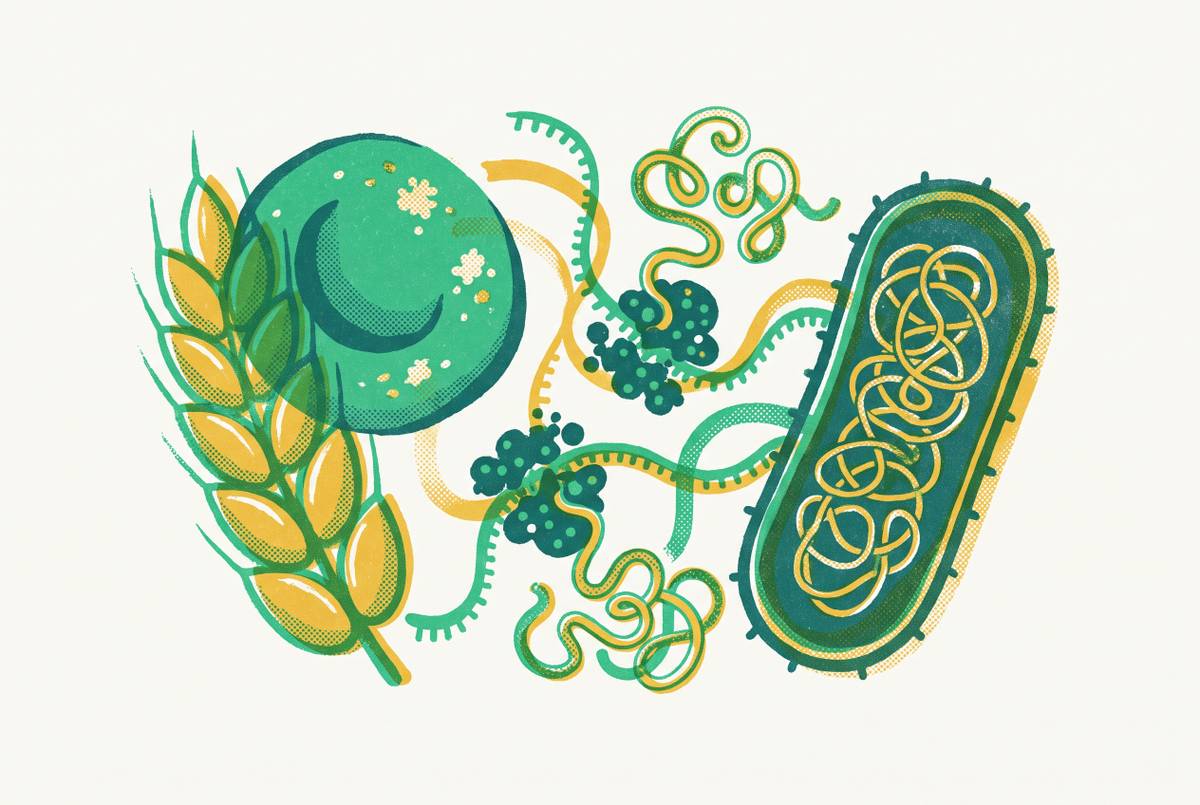
Bacterial extracts work for most proteins; pick eukaryotic systems only when folding demands it.
Standardized reagent prep, not extract quality, controls variability across labs.
A structured framework helps scientists pick the right protein expression system every time.
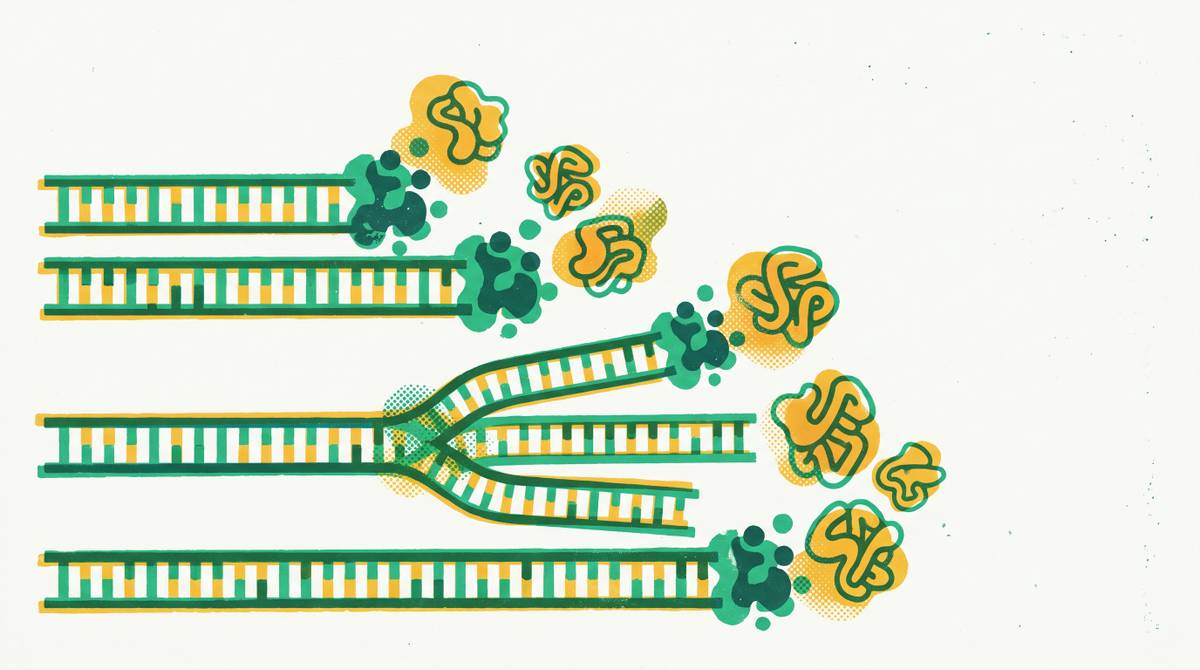
PCR-made templates cut protein expression from weeks to hours by skipping the cloning step entirely.